Residential Construction
Design - Permit - Build
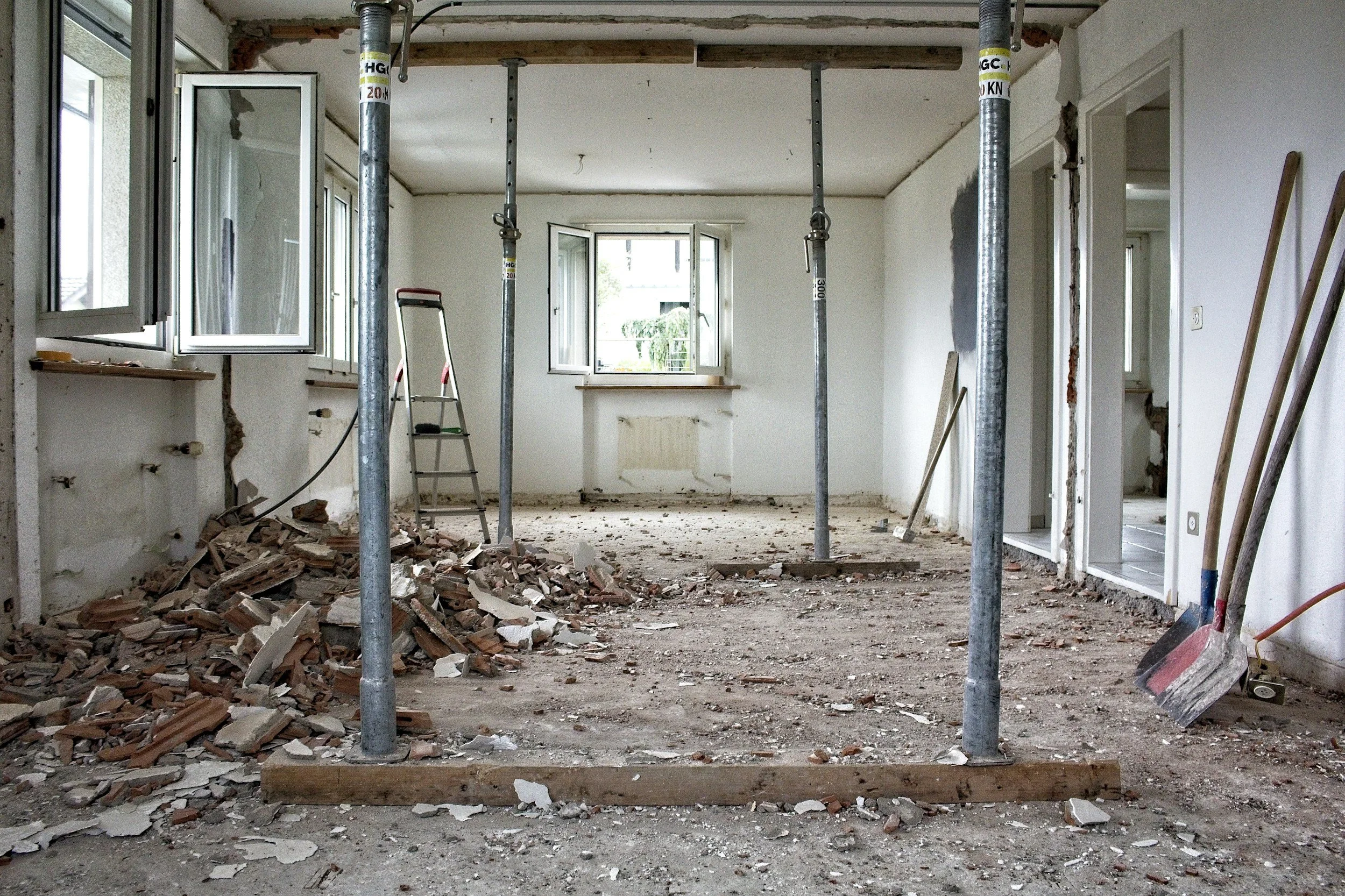
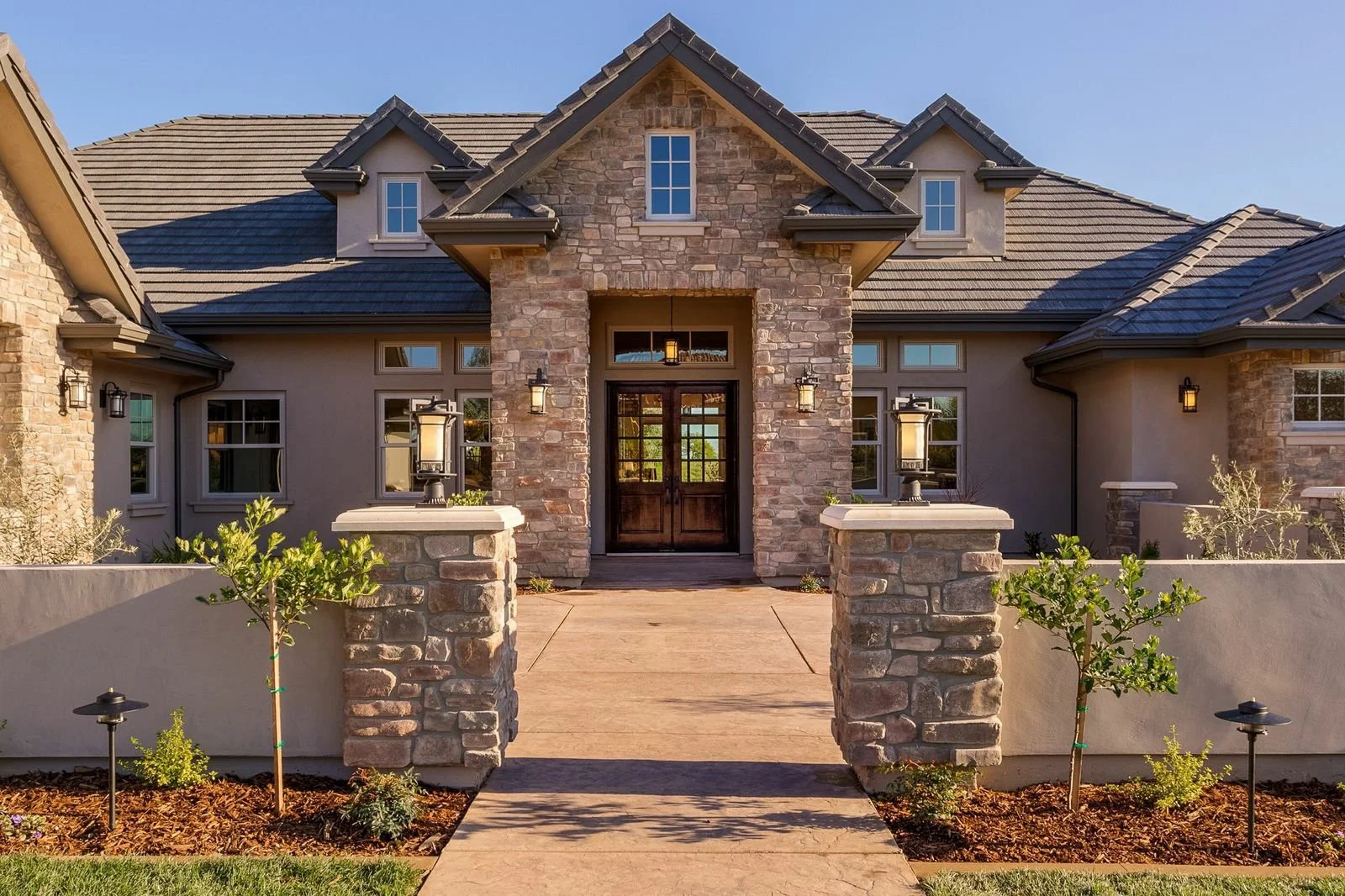
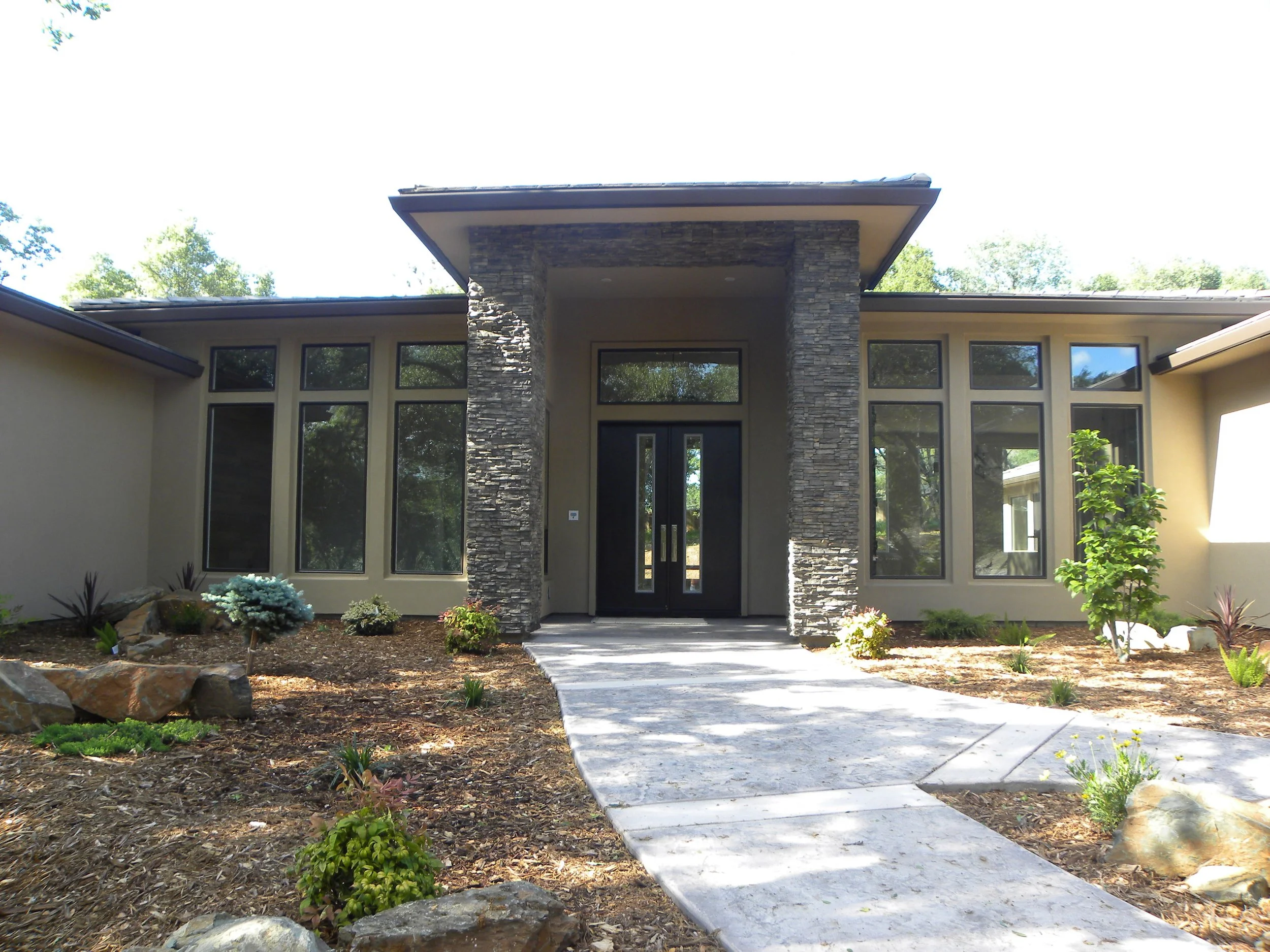
Building custom homes combines careful planning, skilled craftsmanship, and close collaboration between owners and builders to turn a client's vision into a livable, code-compliant reality; it begins with site analysis and design—balancing lot constraints, energy efficiency, and lifestyle needs—then moves through permitting, structural and civil engineering, and phased construction where attention to material selection, systems integration, and quality control ensures durability and comfort, while ongoing communication and transparent budgeting keep timelines and costs aligned with expectations so the finished home reflects the homeowner’s priorities, performs efficiently, and holds long-term value.
Residential / ADU’s
Design - Permit - Build
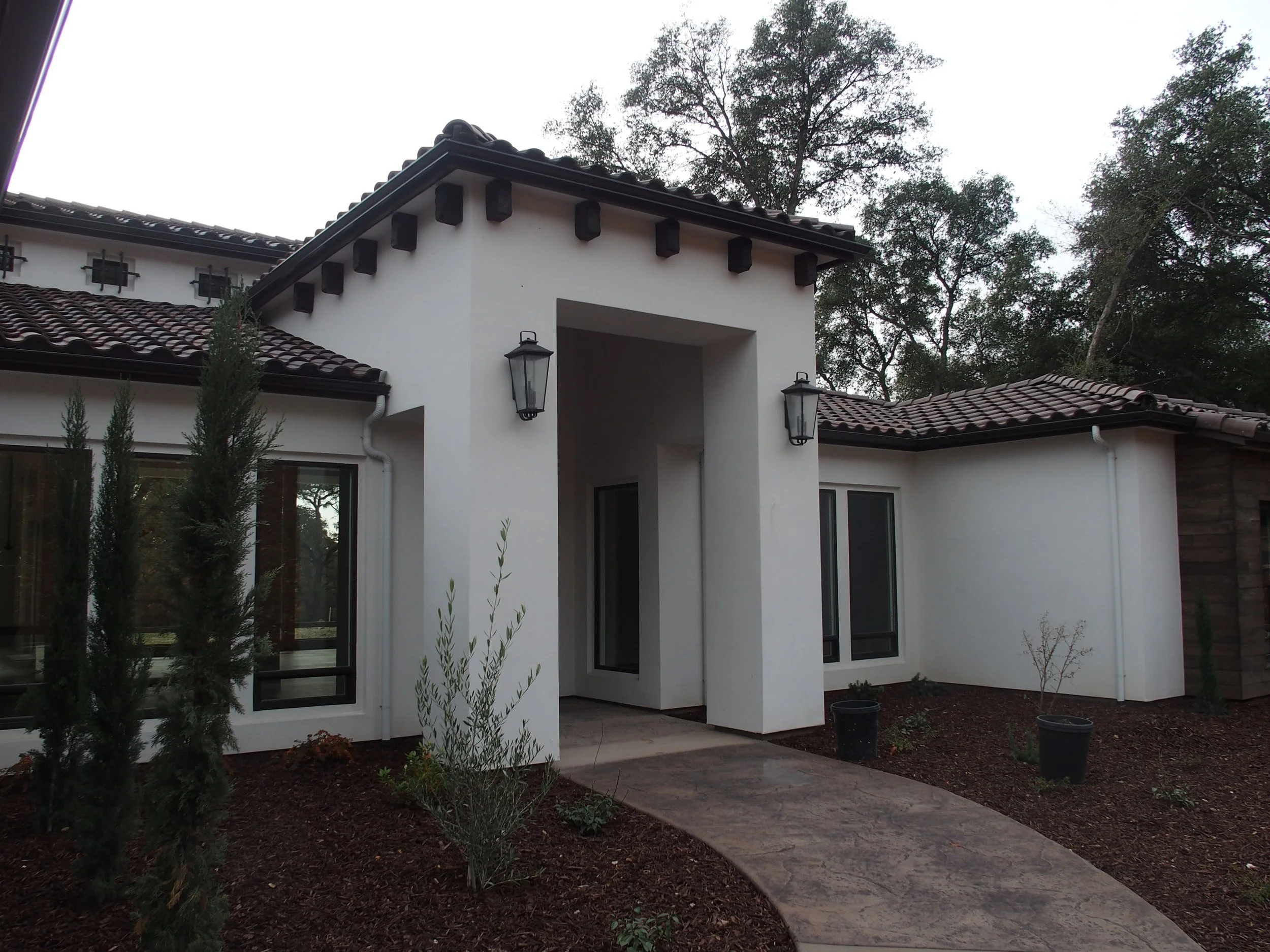
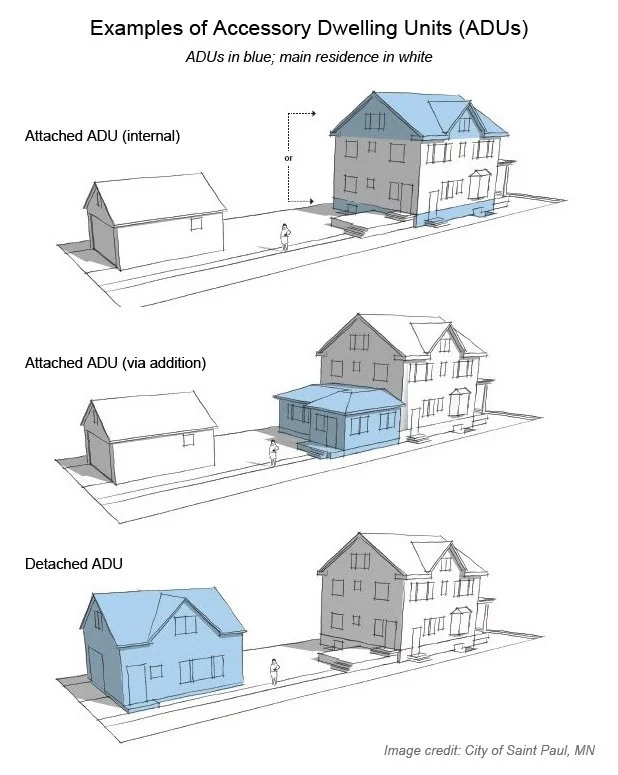
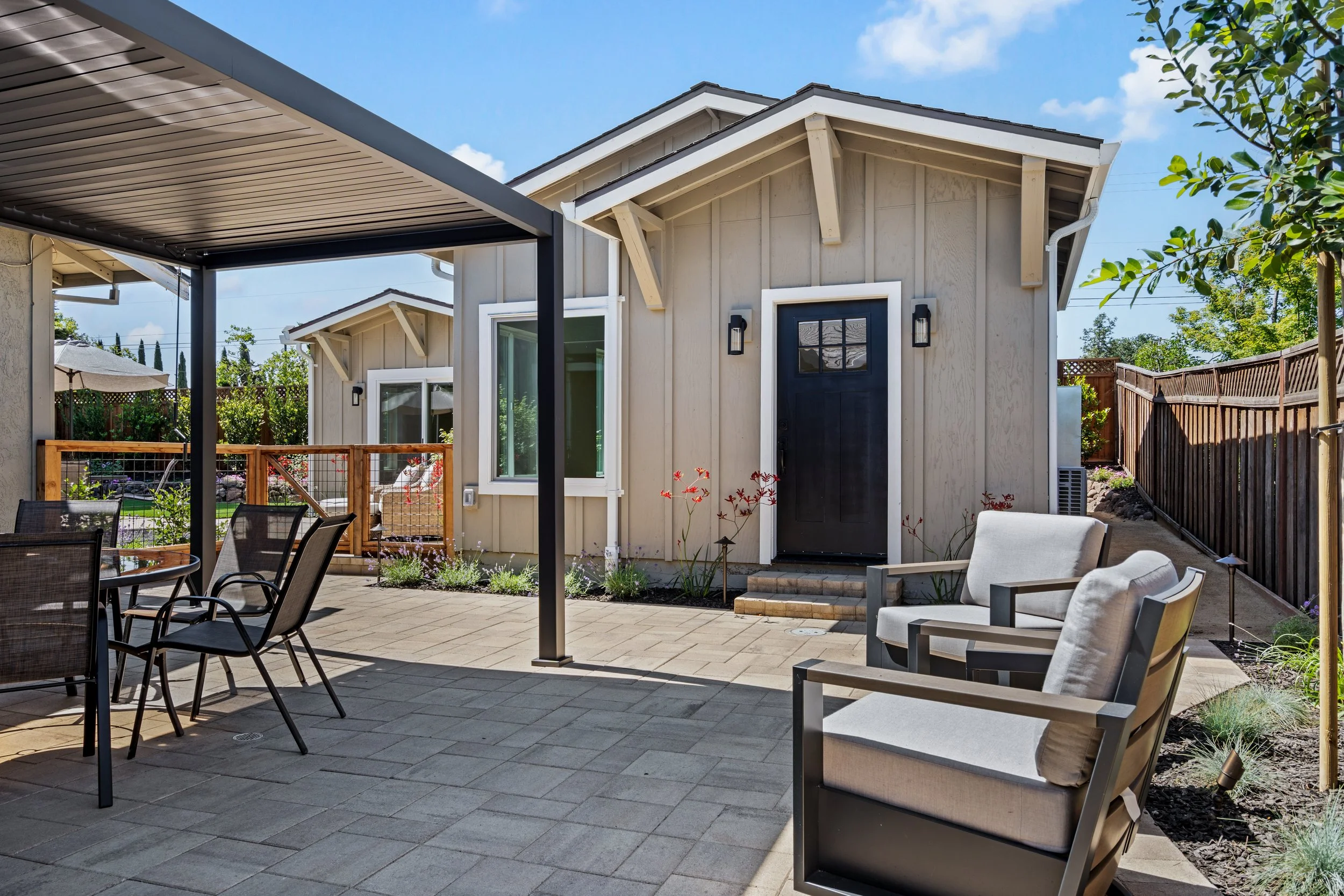
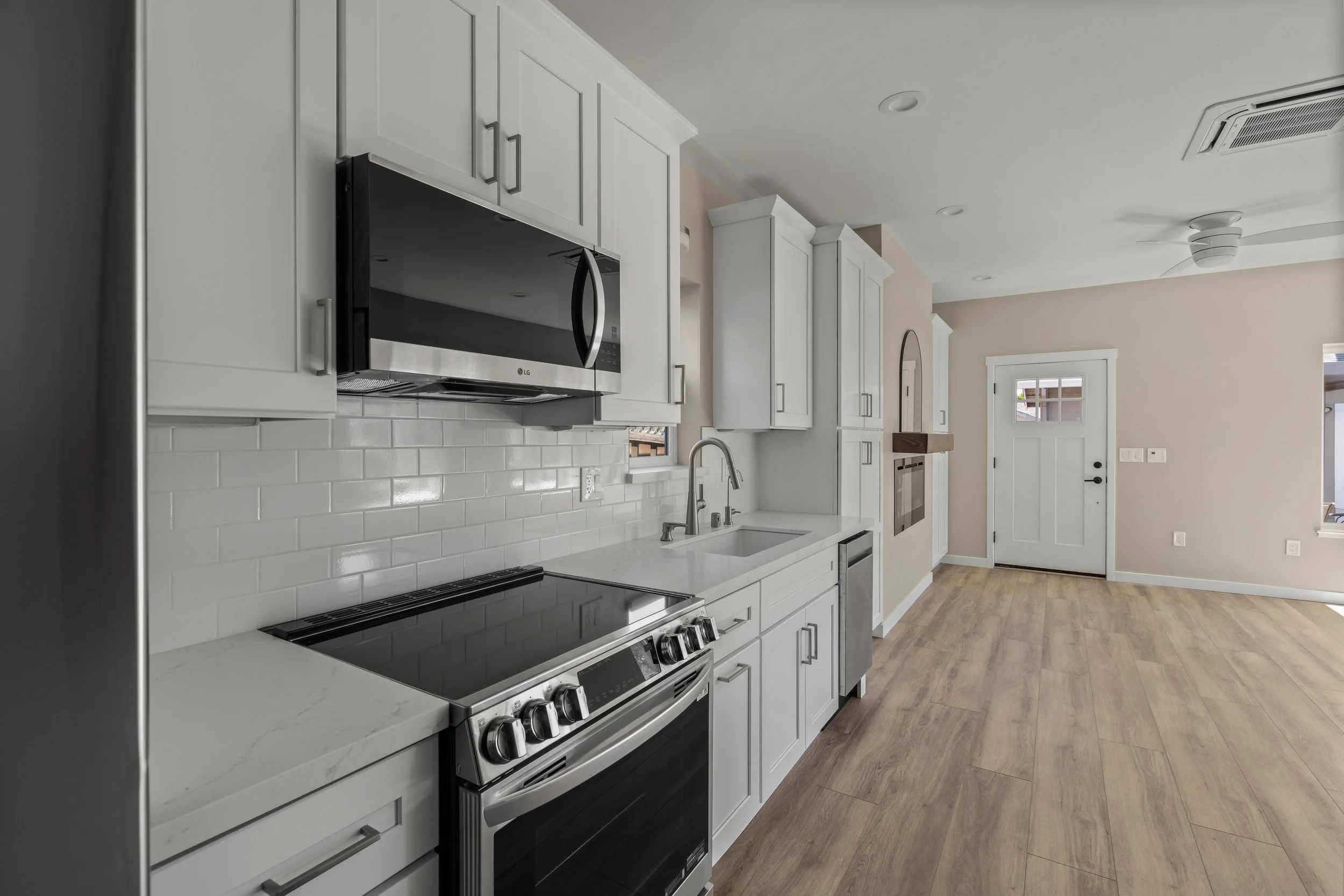
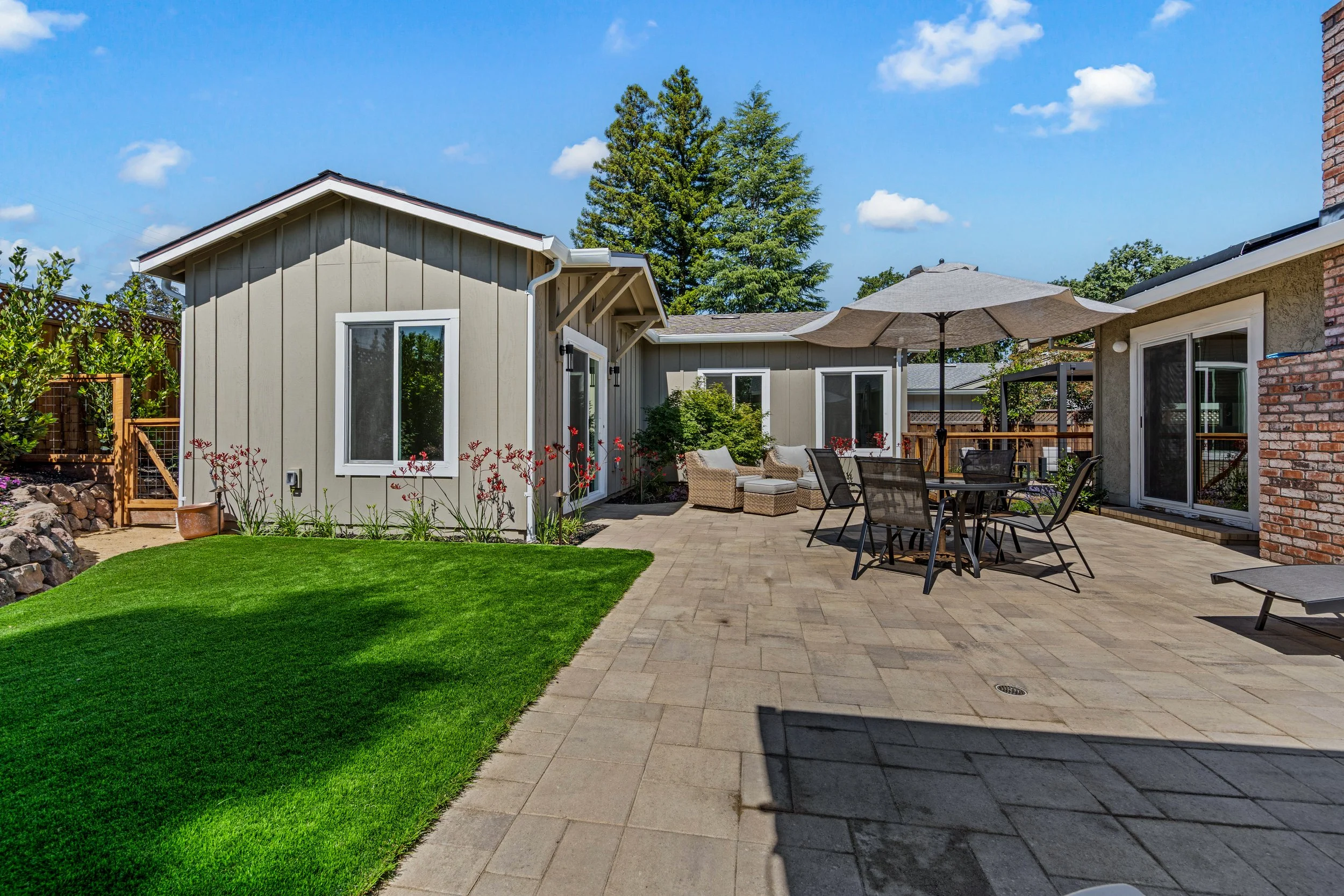
Residential construction increasingly includes accessory dwelling units (ADUs) as homeowners seek flexible, cost-effective ways to add living space, generate rental income, and increase property value without undertaking large-scale renovations; ADUs—ranging from detached backyard cottages to garage conversions and interior apartments—require careful coordination of site planning, structural design, permitting, and utility hookups to meet local codes and neighborhood considerations, and successful projects balance efficient construction methods, durable materials, and thoughtful design to ensure privacy, accessibility, and long-term durability while maximizing usable square footage and return on investment.
Discover The Possibilities of an ADU on your property! Aerial-10, Inc, will help you build the perfect ADU for your needs, whether it be for aging parents or rental income, let Aerial-10 help you start to finish.
Let’s work together
Interested in working together? Fill out some info and we will be in touch shortly! We can't wait to hear from you!
Telecommunication & Small Cell
Design - Permit - Build
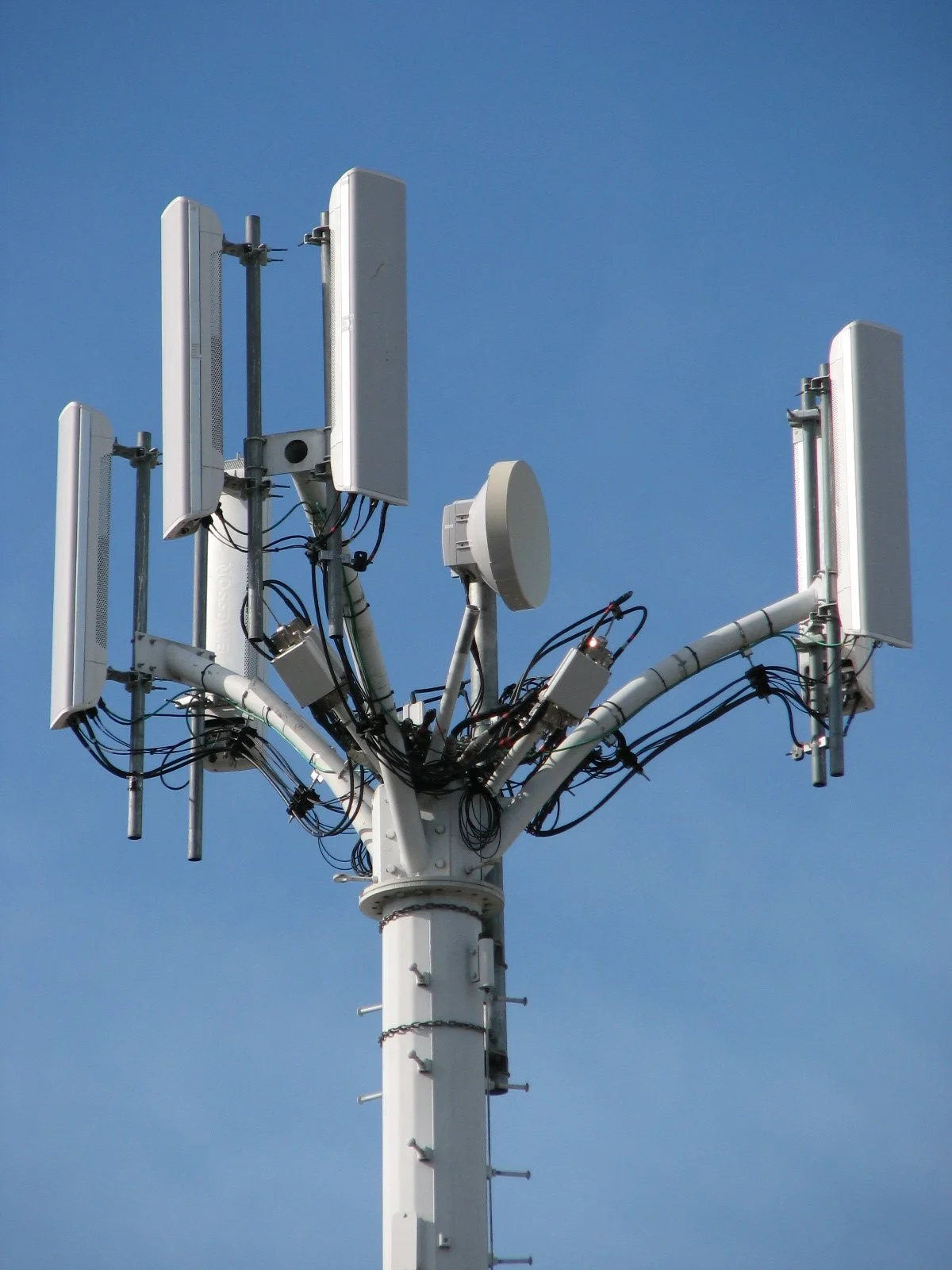
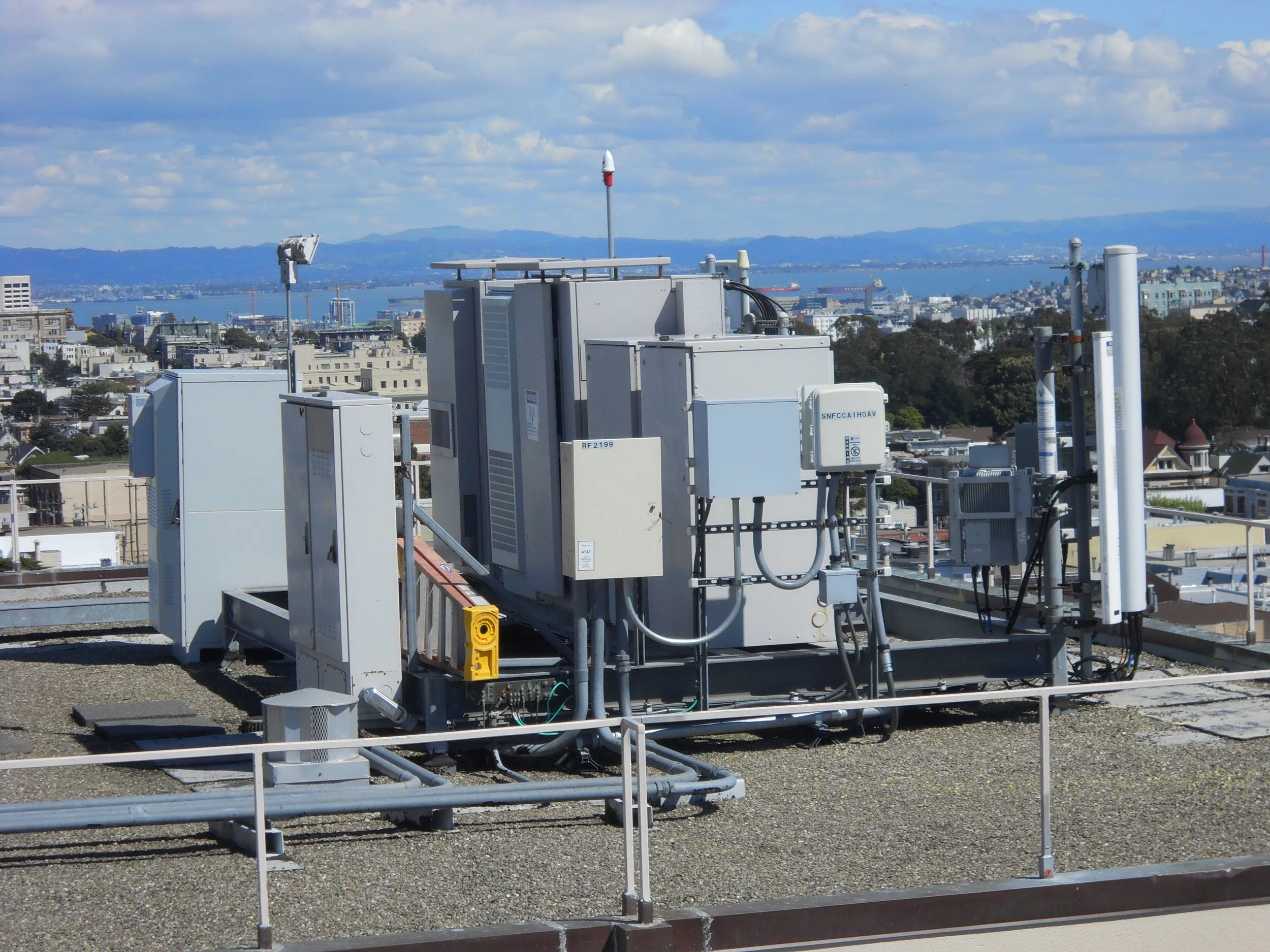
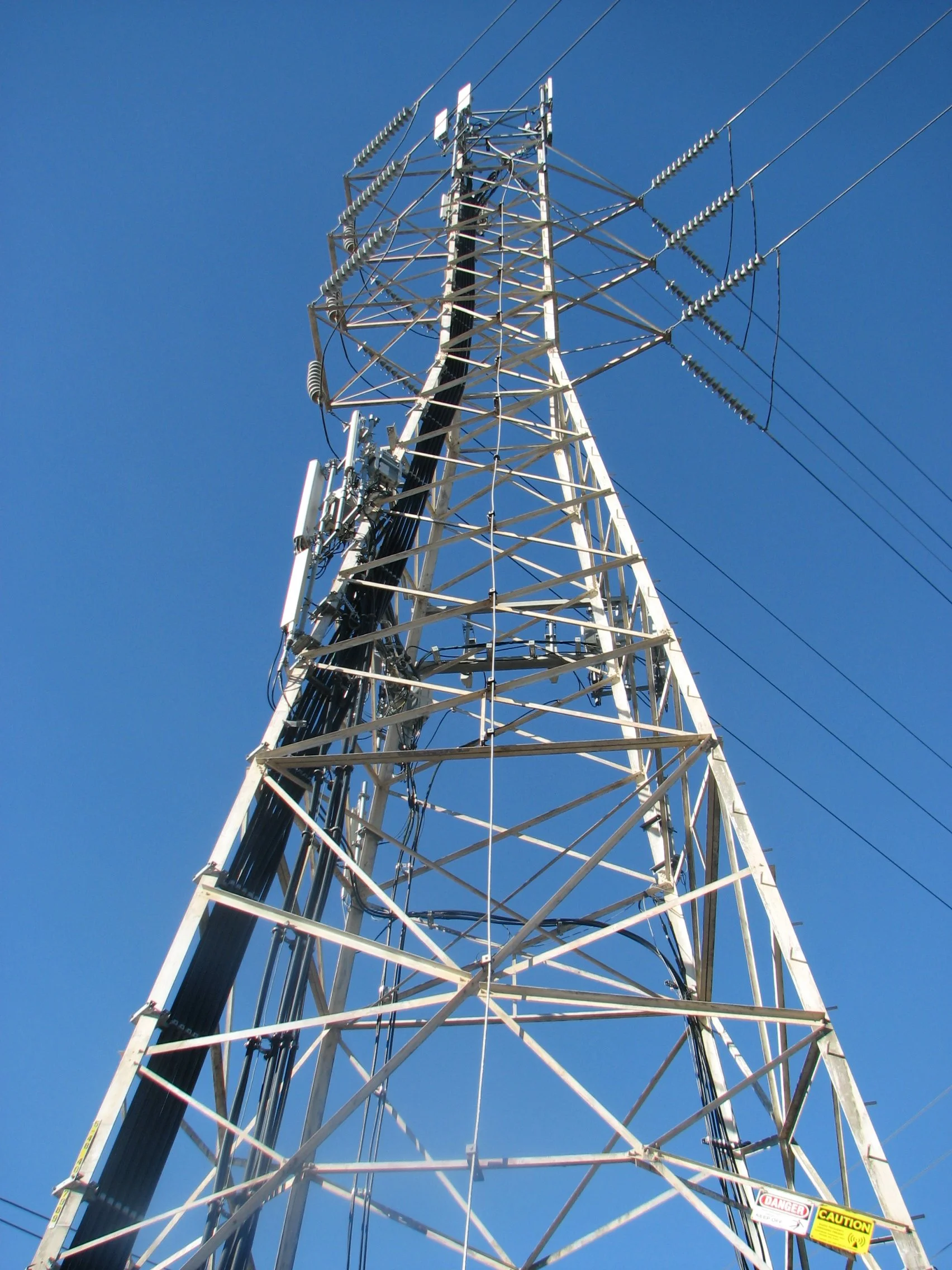
Building telecommunication cell sites — whether macro sites, monopoles, small cells, DAS (Distributed Antenna Systems), full towers, or building installations utilizing FRP (fiberglass reinforced panels) screen walls — requires coordinated planning across site acquisition, civil and structural engineering, permitting, and skilled tower-climbing crews to ensure safe, code-compliant installation and maintenance. Macro sites and towers provide wide-area coverage and capacity, monopoles offer a compact footprint for suburban and urban locations, and dense deployments of small cells and DAS deliver targeted capacity and in-building coverage where demand is high. Key construction tasks include foundation and anchorage work, RF equipment and antenna mounting, cable routing and grounding, power provisioning and backup, and integration with fiber backhaul. Safety protocols for tower climbing, fall protection, and electrical hazards are critical, as are load calculations, wind and ice loading assessments, and adherence to FCC and local zoning requirements. Successful deployments balance performance objectives, cost, aesthetic and environmental constraints, and long-term maintainability.
Demolition Services
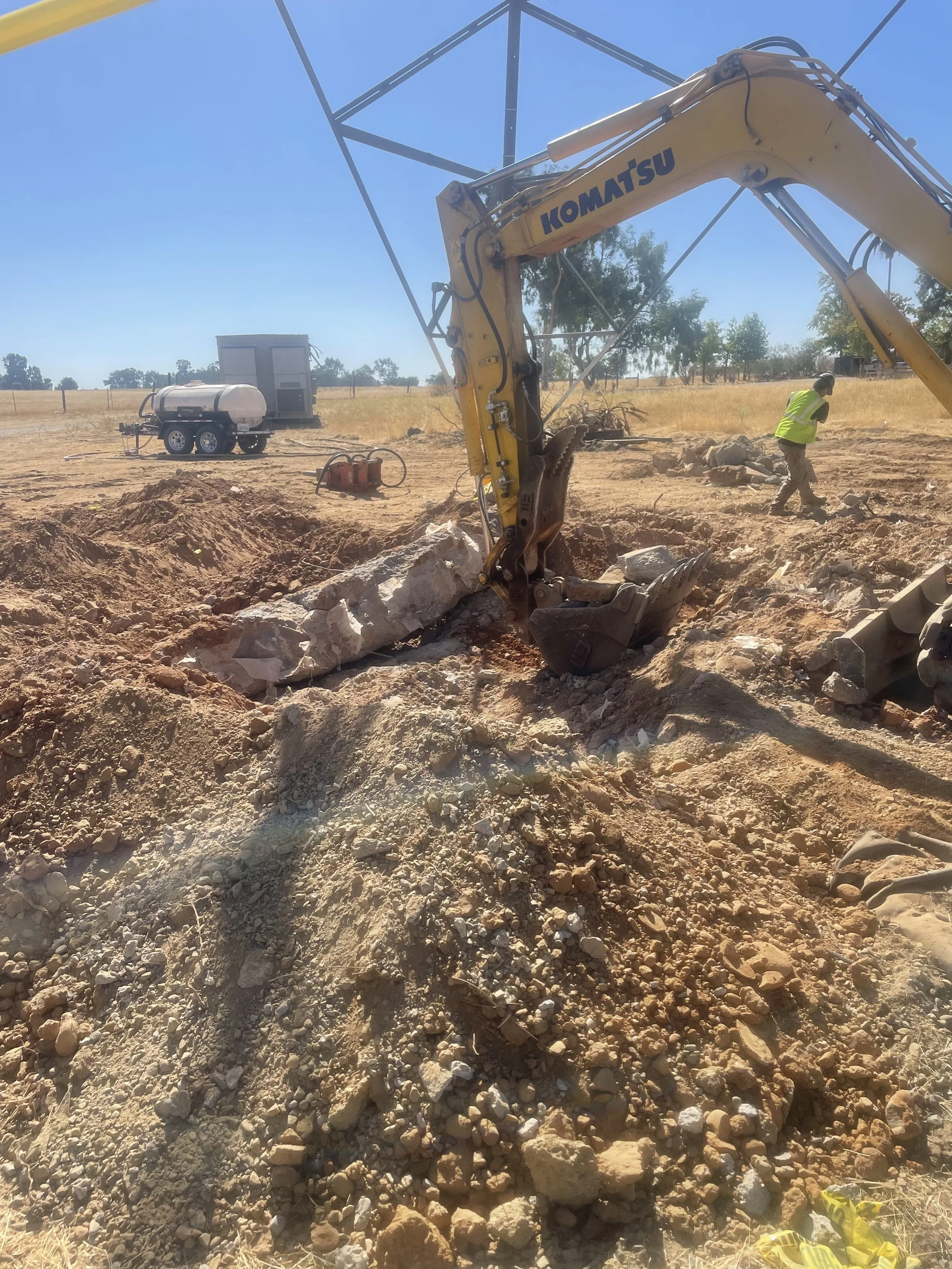
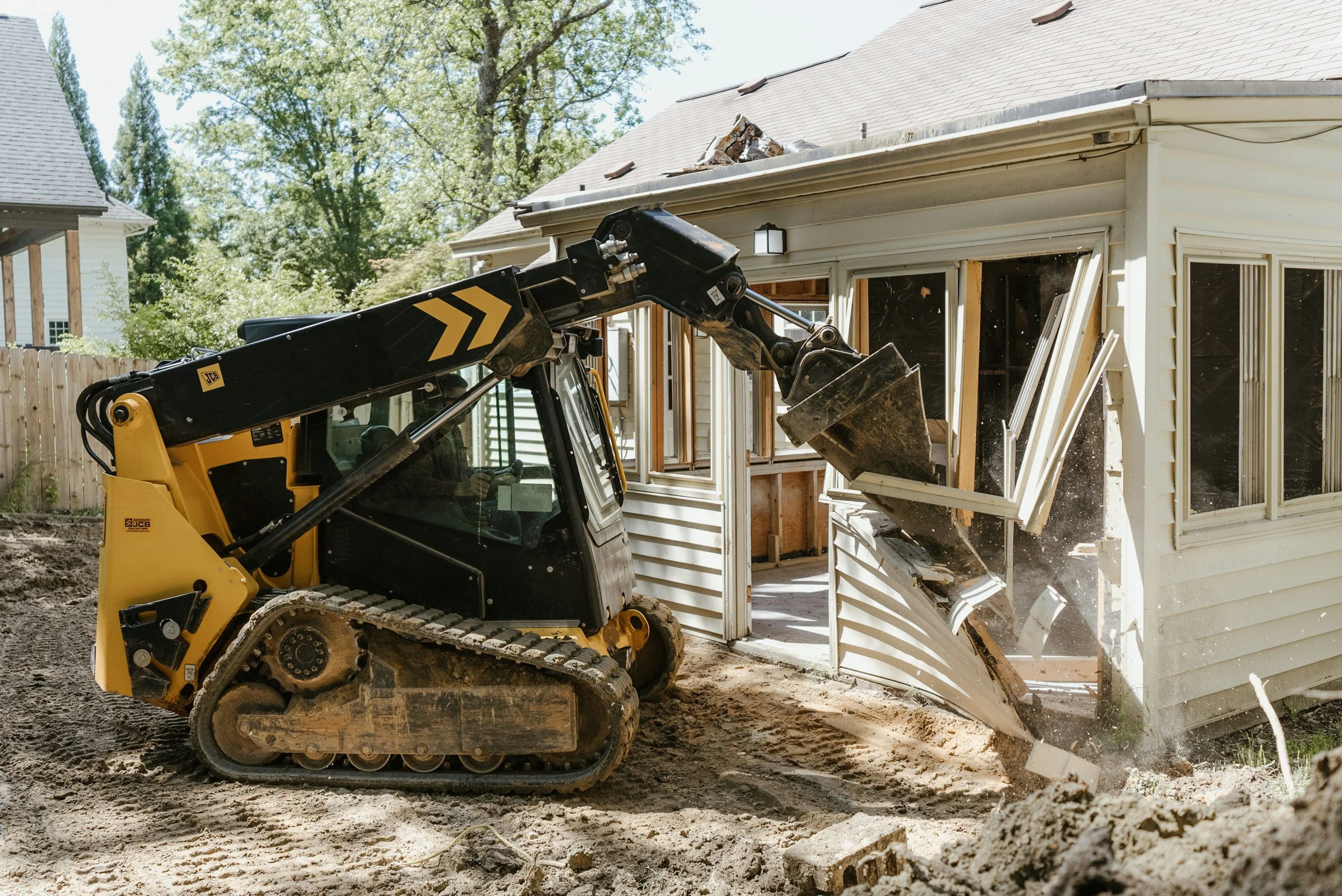
Demolition services require careful planning, permitting, and execution to safely dismantle structures while minimizing environmental and community impacts; specialized waste streams—such as asbestos-containing materials, lead-based paint debris, treated wood, fluorescent lamps, mercury-containing devices, and contaminated soil—must be identified, segregated, and handled according to local, state, and federal regulations, often requiring licensed abatement contractors, manifesting, and delivery to permitted disposal or recycling facilities; salvaging reusable materials (lumber, hardware, fixtures, metals, and concrete) for deconstruction and recycling not only reduces landfill load but can offset project costs, while proper documentation, waste tracking, and certifications of disposal are essential for permits, inspections, and client records.